Well, time to draw up a "Plan" of some sort..
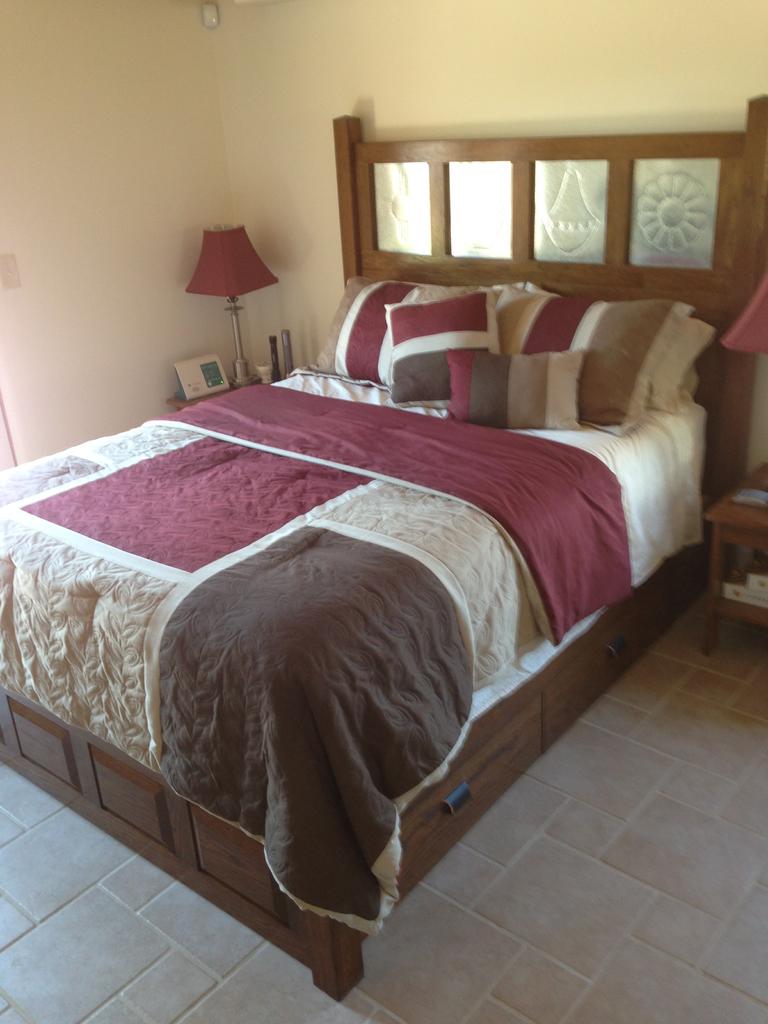
Yep, that's it. Bed is in the next room...involved laying a board on the bed to get heights worked out....checked with the Boss on head board height...Now have the lengths for the sides and the ends..
Needed these...to lay out a few lines on a post..
Ok, need to get 1 foot board post, and one head board post out of this thing..
Stuff like this wasn't included...will be headed towards the FirePit later..
Ditto...laid out a cut line to cut the two posts apart..
Saw kerf sized. Used a couple other boards to layout for the head board parts..
24" wide? Not quite..23-7/8" wide. 2x4 will be the top/bottom rail ( bought two). Once I knew where the bottom rail will be
I could also lay out for the top rail. "Notch" is just to locate the size of the plywood panel.
Also laid out where the frame rails will go. Lay out for this thingy was done...might as well cut the posts apart...make it easier to layout the other post..
Boss said "NO!" to my cutting the post in place....had to haul it to the shop..
Post was too long to lay ON the bench...laid it across this bench, and rested the end over by the grinder, on it's bench..Took a while, got my Cardio Workout for the morning..
Shorty is for the foot board end...."Jeff" is for the head board end. Debating on completing all the cuts, then layout the other two, or just lay things out and cut the second set.
Side rails will run past the head and foot boards. Sliding dovetails to connect all four rails.....then the posts are installed to the outside of the frame...leaves the interior clear. Posts will get a few lags to attach them, no glue. Want as much that can be torn down for any future moves as I can..Head board may stay as a glued up unit..we'll see.
Well, it is a start....stay tuned...


.thumb.jpg.573d1497d0675219908c85aabefd797a.jpg)