

.thumb.jpg.573d1497d0675219908c85aabefd797a.jpg)
-
Latin (group) name: Larix
-
Latin (specific) name: Larix Occidentalis (Nuttal)
-
Average max height: 150' to 200'
-
Average diameter: Up to 5'
-
State tree: none
The Tree
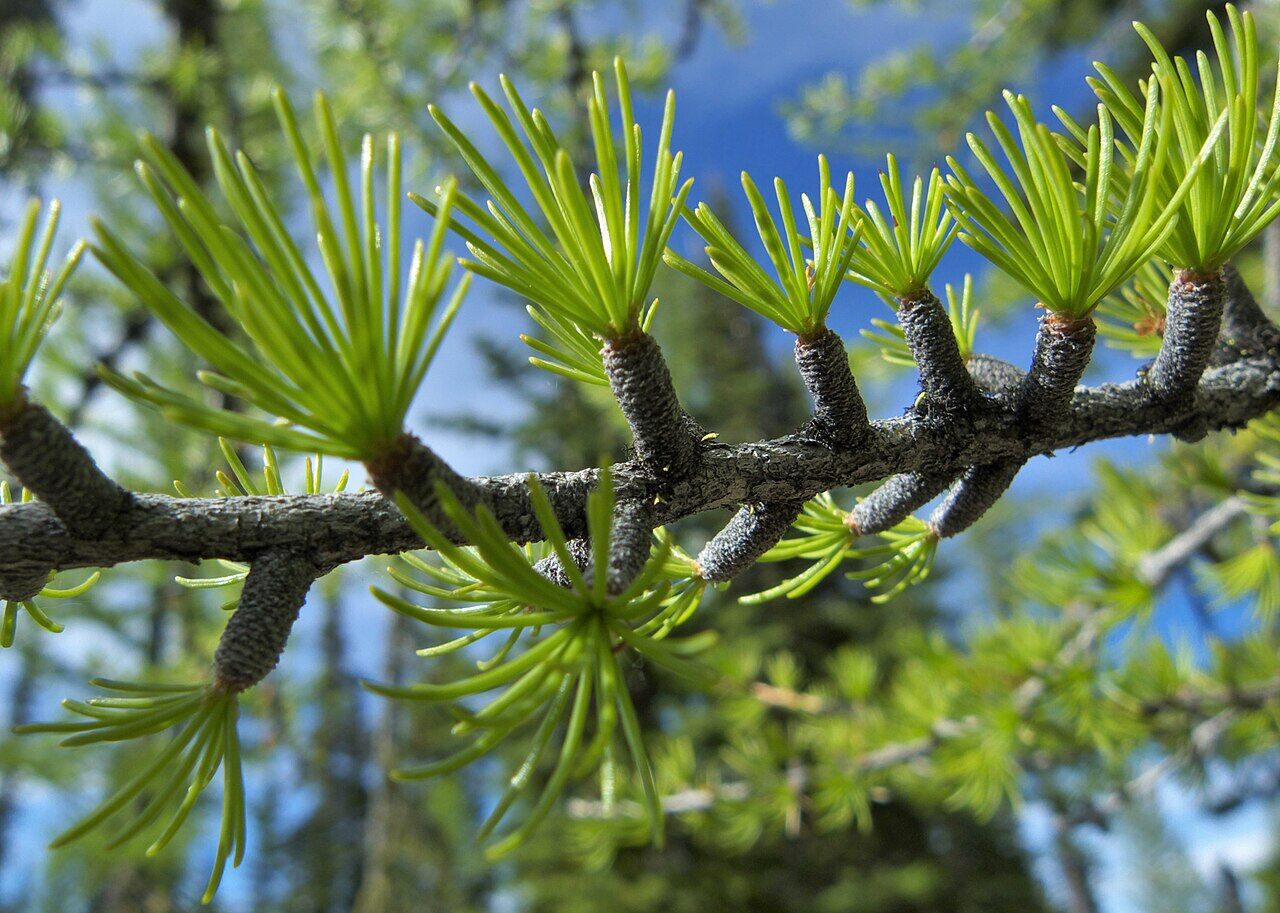
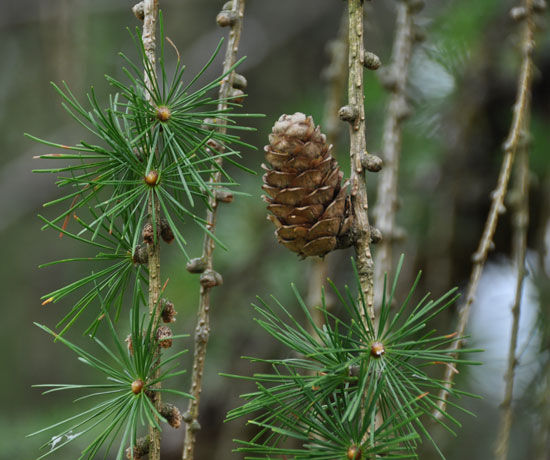
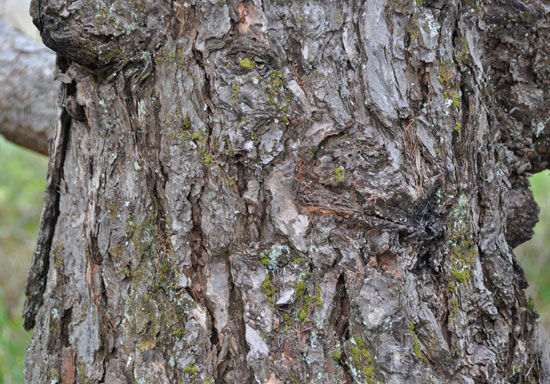
.thumb.jpg.0a31449339e50acf48a15dfb75cba893.jpg "Larix Occidentalis (Nuttal)") The Western Larch is a tall, straight tree towering from 150 to 200 feet high with a trunk diameter up to five feet. It is free of branches for 60 to 100 feet making it an increasingly valuable forest tree. The branches are short, horizontal and sparsely covered with foliage. The needles, growing in clusters along the small branches, are short, pointed, triangular, and flat on their upper surface. They are a satiny pale green color. The Larch species (including Eastern Tamarack) shed their foliage each fall. Growing close along the branches are the egg-shaped cones, which are about one and a half inches long and one inch wide with slender bracts extending from each cone seed scale. The dull reddish cinnamon-brown bark of Western Larch has a striking appearance. It is three to six inches thick on mature trees, deeply furrowed and separates into rather small rather bright irregular scales. The tree withstands fire damage better than most forest trees but is susceptible to attack by fungi of various kinds, and by the larch saw-fly.
The Western Larch is a tall, straight tree towering from 150 to 200 feet high with a trunk diameter up to five feet. It is free of branches for 60 to 100 feet making it an increasingly valuable forest tree. The branches are short, horizontal and sparsely covered with foliage. The needles, growing in clusters along the small branches, are short, pointed, triangular, and flat on their upper surface. They are a satiny pale green color. The Larch species (including Eastern Tamarack) shed their foliage each fall. Growing close along the branches are the egg-shaped cones, which are about one and a half inches long and one inch wide with slender bracts extending from each cone seed scale. The dull reddish cinnamon-brown bark of Western Larch has a striking appearance. It is three to six inches thick on mature trees, deeply furrowed and separates into rather small rather bright irregular scales. The tree withstands fire damage better than most forest trees but is susceptible to attack by fungi of various kinds, and by the larch saw-fly.
Western Larch Pine Cone
Western Larch Tree Bark
Common Names in Use
Western Larch (English and American trade; Mont.)
British Columbia Tamarack (B.C. trade)
Hackmatack
Great Western Larch (Calif., lit.)
Larch (Idaho, Wash., trade)
Montana Larch (trade)
Mountain Larch (trade)
Oregon Larch (Pacific coast trade)
Red American Larch
Tamarack (Oreg.)
Western Tamarack
Growth Range
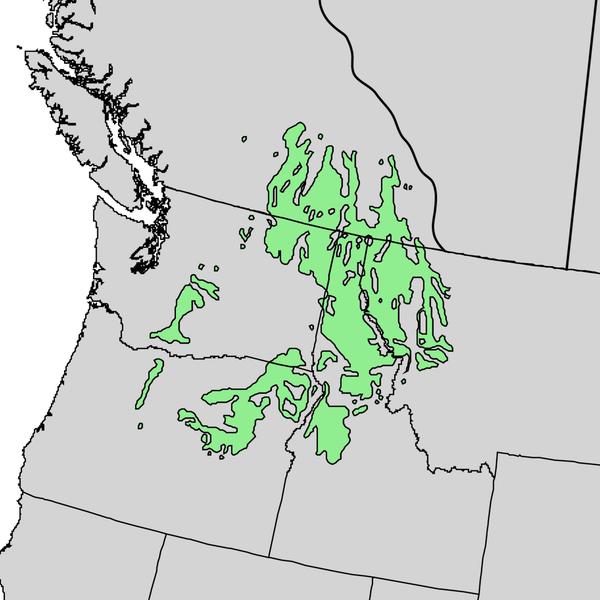
The growth range of Western Larch extends from western Montana through northern Idaho, Washington and Oregon and into southeastern British Columbia, in mountain valleys and on slopes at elevations from 2,000 to 7,000 feet, attaining its best development in northern Idaho and western Montana.
Western Larch Range Map
The Wood
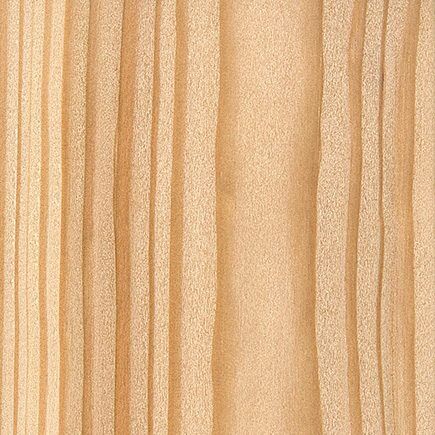
The heartwood of Western Larch is a reddish-tan or russet while the narrow sapwood is a yellowish-white to a pale straw-brown. The wood is moderately strong, stiff, medium heavy (it is the heaviest of all larch species and also the heaviest coniferous wood), fine straight-grained and coarse-textured. It splits easily, but is not slivery as is the Eastern Tamarack. Because the base trunk of the tree is subject to “shake” or disintegration along the growth rings, the largest log of the tree maybe left in the woods. The wood closely resembles the Douglas Fir but is far inferior and is not used for veneers. It is somewhat difficult to work with tools and does not hold paint well, but it is easily glued and easily stained and finished in natural color.
Western Larch Wood
Uses
This wood is used for dimension lumber of all kinds, some for interior finish, boat lumber, boxes, the cheaper grades of furniture, sash and doors, telephone and telegraph poles, railroad ties, posts, mine timbers. It is used to some extent for paper pulp in the manufacture of fiberboard and kraft wrapping paper. Some commercial use is made of the galactan gum extracted from the wood.
Bibliography
Shelley E. Schoonover (American Woods) 1951 (Watling & Co. ) Santa Monica, CA